Dust Building Up on the Plant Floor and in the Rafters? Why Your Collection System Can't Keep Up
July 9, 2026
Quick Answer: When dust keeps building up on the plant floor and in the rafters, the collection system is almost never simply "worn out." It is losing capture velocity at the source, transport velocity in the ductwork, or airflow at the fan, and usually more than one at once. Hoods placed too far from the point of release, ducts running below the minimum transport velocity for your dust, loaded filters, and leaks all pull the whole system below the airflow it was designed for. The fix is a measured look at capture, transport, and static pressure across the system, not another round of sweeping.
You walk the floor first thing and there it is again. A gray film on the beams overhead, a ridge of dust along the base of a machine that a hood is supposed to be pulling from, and housekeeping running the same route they ran yesterday. The collector is running, the fan sounds normal, nobody flipped a breaker, and yet the plant keeps getting dirtier. It is the kind of problem that creeps up on a shop over months until one day the rafters tell you the system has been quietly falling behind.
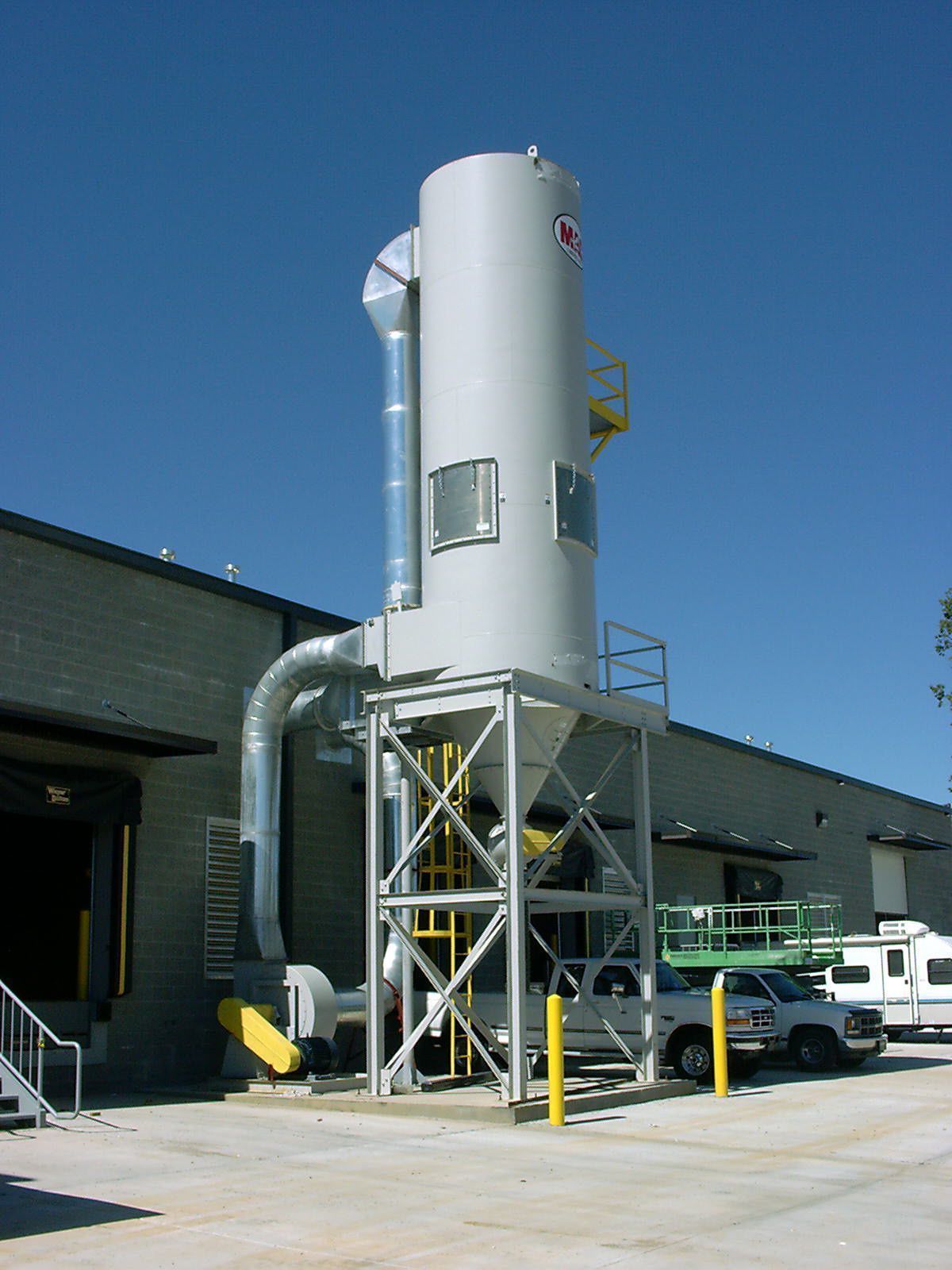
Across the Southeast, this is one of the most common calls a plant manager makes about a dust and fume collection system, and it is rarely random. A collection system that lets dust settle is telling you it has lost airflow somewhere between the point of release and the collector. The trouble is that "somewhere" can be the hood, the duct, the filters, or the fan, and the symptom looks the same no matter which. Here is what is actually happening and why the buildup shows up where it does.
Dust on the Floor and in the Rafters Points to Two Different Failures
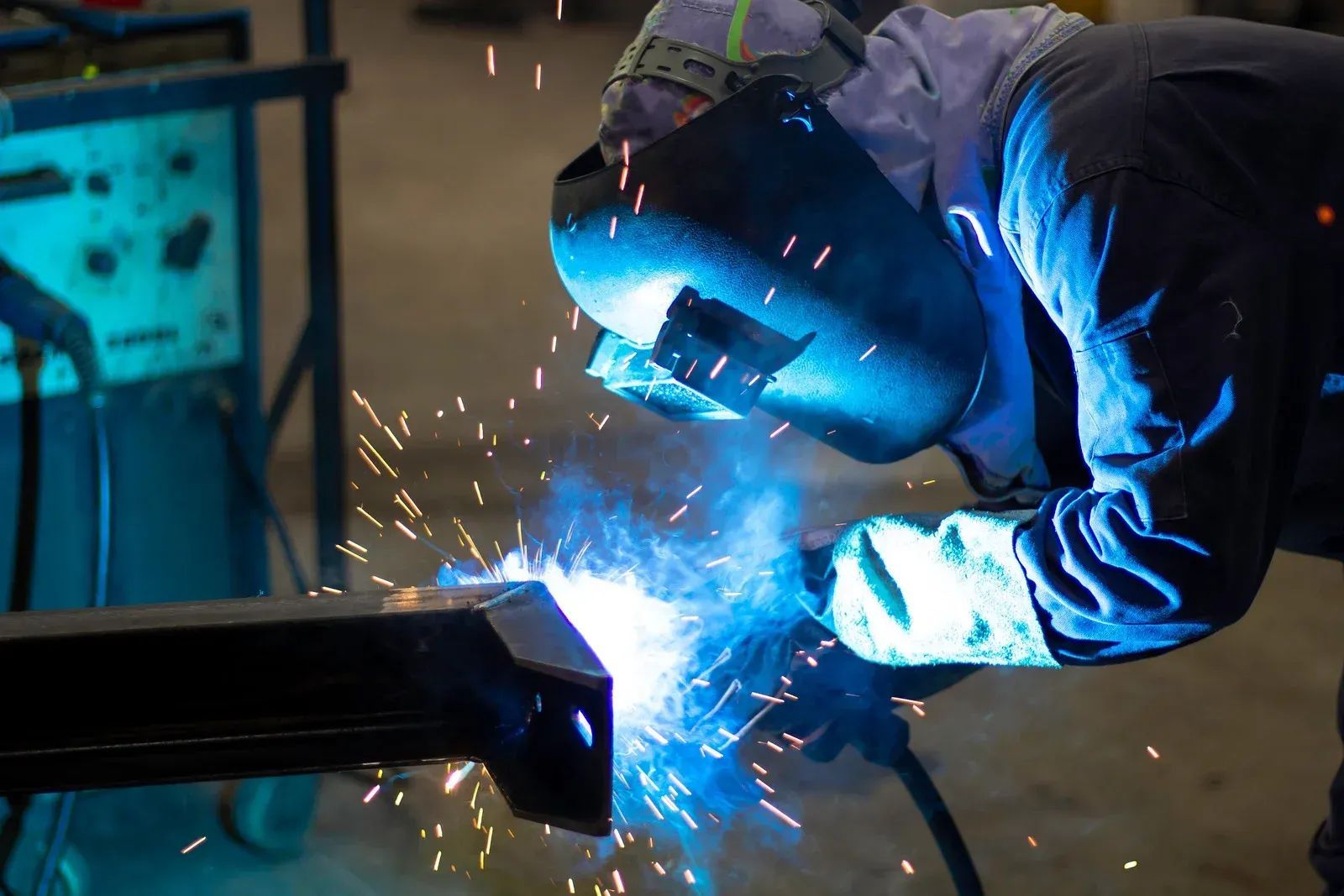
Settled floor dust means capture is being lost at the source. Dust collecting around grinders, saws, transfer points, or welding stations usually indicates inadequate capture velocity. Even small changes like moving a hood farther away, sagging flex hose, or reduced airflow from an open blast gate allow dust to escape before reaching the collection system, creating visible buildup around equipment and nearby floors.
Dust in the rafters means the room air is loaded with fine particles. Fine dust escaping capture remains airborne, rises with warm air currents, and gradually settles on beams, rafters, and other high surfaces. Overhead dust buildup is a clear sign that airborne particles are bypassing the collection system, allowing contamination to accumulate throughout the facility despite regular floor cleaning efforts.
Read together, floor dust and rafter dust tell you the same thing from two angles: the system is not moving enough air at the right speed in the right places.
Capture Velocity Is Set by Your Dust, Not by the Machine
The starting point of any collection design is figuring out how fast the air has to move to grab the particle in the first place. According to Eldridge, drawing on the American Conference of Governmental Industrial Hygienists, recommended capture velocities span a wide range from 50 feet per minute up to 2,000 feet per minute. Two things drive where you land in that range: the weight of the particle and how fast it is already moving when it is released.
Heavier and faster particles demand more capture velocity. Eldridge notes that lighter particles like paint spray or flour dust use lower velocities, while heavier particles such as metal turnings or blast dust require higher velocities. A slow release, like material dropping into a container, needs less than a fast one, like the spray thrown off a moving conveyor or a grinding wheel. This is why a hood that was sized for one process quietly fails when the process changes. Put a more aggressive operation under a hood designed for a gentler one, or speed up the line, and the same hood no longer generates enough velocity at the source. The dust that used to get caught starts landing on the floor, and eventually the rafters.
Transport Velocity Is Where a System Silently Clogs Itself Shut
Capturing the dust is only half the job. Once it is in the duct, the air has to keep moving fast enough to carry it all the way to the collector without letting it drop out along the way. That speed is the minimum transport velocity, and it is specific to the material you are conveying.
Different dusts need very different duct speeds. Every type of industrial dust requires enough transport velocity to stay suspended inside the ductwork. Light welding fumes need much lower airspeed than heavy grinding dust or metal turnings. If airflow falls below the required velocity for your material, dust begins settling inside the ducts instead of reaching the collector efficiently.
Once dust settles inside ductwork, collection performance steadily declines throughout the entire system. Accumulated material reduces the duct's effective size, increases resistance, and lowers total airflow available at every hood. As capture weakens, more dust escapes into the workspace, settles on floors and rafters, and creates an ongoing cycle of reduced efficiency and growing buildup.
Transport Velocity Is Where a System Silently Clogs Itself Shut
Capturing the dust is only half the job. Once it is in the duct, the air has to keep moving fast enough to carry it all the way to the collector without letting it drop out along the way. That speed is the minimum transport velocity, and it is specific to the material you are conveying.
Different dusts need very different duct speeds. Every type of industrial dust requires enough transport velocity to stay suspended inside the ductwork. Light welding fumes need much lower airspeed than heavy grinding dust or metal turnings. If airflow falls below the required velocity for your material, dust begins settling inside the ducts instead of reaching the collector efficiently.
Once dust settles inside ductwork, collection performance steadily declines throughout the entire system. Accumulated material reduces the duct's effective size, increases resistance, and lowers total airflow available at every hood. As capture weakens, more dust escapes into the workspace, settles on floors and rafters, and creates an ongoing cycle of reduced efficiency and growing buildup.
Tip: Walk your horizontal duct runs and lightly tap them with a wrench. A duct carrying dust at the right speed rings mostly hollow. A dull, heavy thud low on the pipe means material has settled inside, which is a strong sign that section is running below transport velocity and is quietly choking the whole system down.
The Fan and Filters Decide Whether You Ever Reach Design Airflow
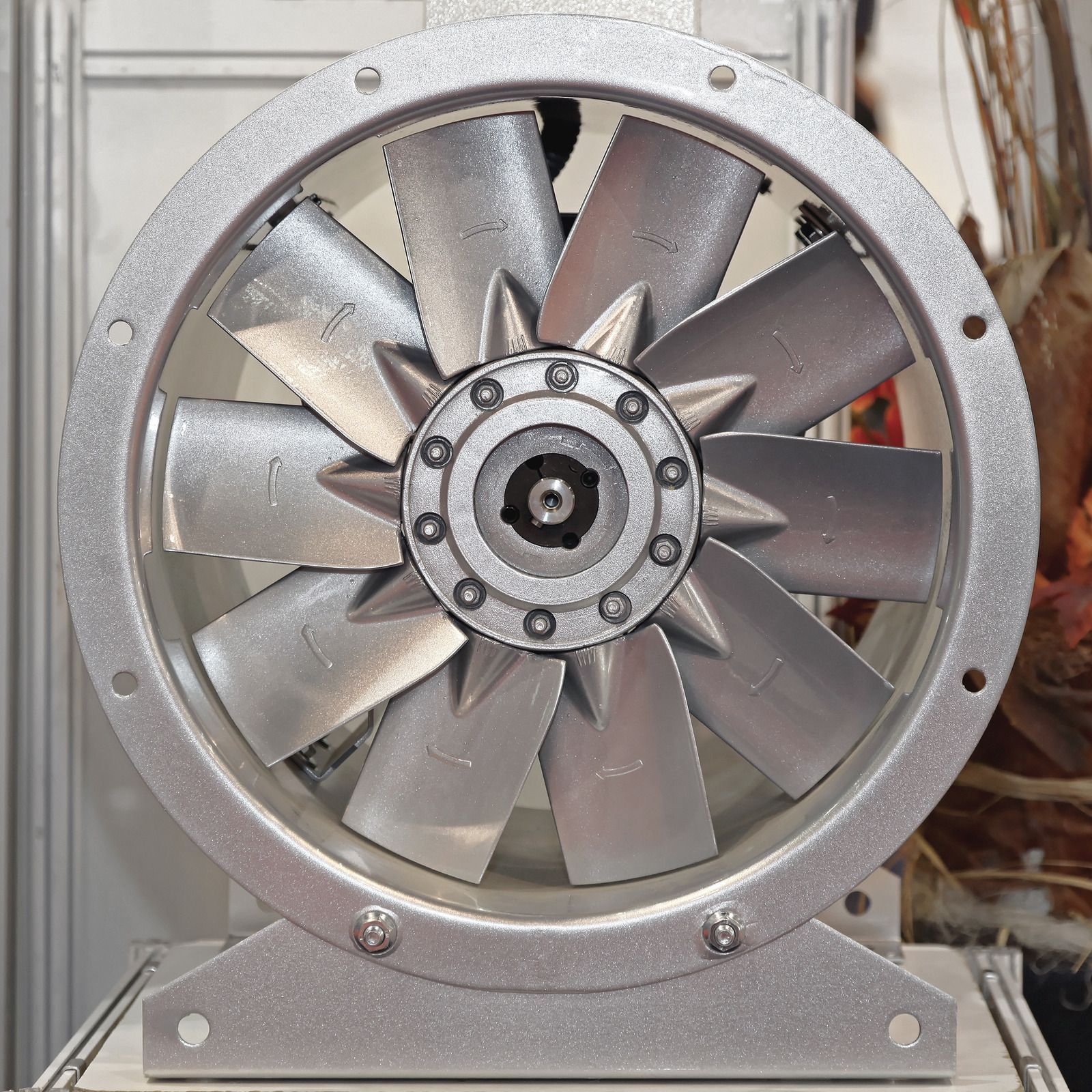
Even a well laid out set of hoods and ducts only works if the fan is actually delivering the airflow the system was designed around, and that number is not fixed. It falls as the system runs.
Loading filters steadily bleed off airflow. As dust builds across filter media, system resistance increases and the fan moves less air through the collector. Reduced airflow lowers capture performance at every hood, allowing more airborne dust to escape, settle throughout the facility, and reduce overall collection efficiency during normal operation.
Airflow can also become unbalanced when adjustments made for dirty filters remain unchanged after replacements. Automatic airflow controls maintain consistent fan performance by monitoring system pressure and adjusting fan speed, keeping air volume and duct velocity close to design conditions while reducing unnecessary wear on equipment.
Warning:
If your dust is combustible, settled accumulation in ducts and on rafters is not just a housekeeping nuisance. Layered dust on overhead steel and inside pipe is exactly the fuel that a stray spark or a small deflagration can turn into a serious event. Buildup that keeps returning after cleaning is a signal the capture and transport problem needs to be diagnosed and corrected at the source, not managed with a broom.
Why Cleaning Harder Never Fixes a Buildup Problem
By the time the rafters are gray, most shops have already thrown labor at it. Housekeeping runs more often, someone gets sent up on a lift to knock down the beams, and for a week the plant looks better. Then it comes back, because none of that touched the reason the dust is airborne in the first place.
As ACT Dust Collectors observes, one of the most common reasons a collection system underperforms has nothing to do with a broken part. It is a system that is undersized or overloaded for the work it is now doing. Plants change. You add a machine, speed up a line, take on a heavier material, or tie one more branch into an existing header, and the collector that was correctly sized five years ago is now asked to do more than it can. Nothing failed in a way a maintenance log would flag. The system simply slipped below the airflow it needs, and the dust on the floor and in the rafters is the receipt.
That is why the durable fix is a measurement, not a mop. You want to know the actual capture velocity at each hood, the real transport velocity in each duct branch against the number your specific dust demands, and the static pressure across the filters and the fan under working load. Those three readings tell you whether you are losing the system at the source, in the pipe, or at the collector, and usually it is more than one. From there the corrections are concrete: reposition or reshape hoods, resize or reroute a duct branch to hit transport velocity, seal the leaks Dust Arrest warns rob flow, or add fan and filter capacity or an airflow controller so the design airflow actually holds.
Frequently Asked Questions
Why is dust settling on the floor right next to a hood that is running?
Dust settles beside a running hood because capture velocity has dropped too low. Misaligned pickups, sagging hoses, or open blast gates reduce airflow, allowing airborne particles to escape collection and settle nearby instead of entering the duct.
What does dust in the rafters actually tell me?
Dust collecting on rafters indicates fine airborne particles are escaping capture. Warm air carries them upward before they settle on high surfaces, revealing ongoing collection problems that cleaning alone cannot solve until airflow improves permanently everywhere.
Can a duct that is too big cause dust to build up?
Yes. Oversized ducts slow transport velocity, allowing dust to settle inside instead of remaining suspended. Accumulated material gradually restricts airflow, reducing collection performance and creating additional buildup throughout the entire dust collection system over time consistently.
Why does my collection seem worse the longer the filters go between changes?
As filters fill with dust, airflow decreases because system resistance increases. Lower airflow weakens capture performance throughout the entire system, allowing more airborne dust to escape collection until clean filters restore proper operating conditions again.
We added a machine and now the plant is dustier. Are the two related?
Yes. Adding another machine increases airflow demand throughout the dust collection system. If the collector was not designed for additional capacity, capture performance declines, allowing more dust to escape and settle across the facility over time.
Is there a way to keep airflow steady instead of chasing it with dampers?
Yes. Automatic airflow controllers monitor system pressure and adjust fan speed as conditions change. This maintains consistent airflow and transport velocity, improving dust capture while eliminating constant manual damper adjustments and unnecessary performance fluctuations throughout operations.
Reading the Buildup Instead of Fighting It
Dust on the floor and dust in the rafters are not two housekeeping problems. They are the same message delivered twice: the collection system has fallen below the airflow it needs to capture and carry your dust. Capture velocity is being lost at the hoods, transport velocity is being lost in the ducts, or the fan and filters are no longer delivering design airflow, and in most tired systems it is a combination. Sweeping and knocking down the beams treats the evidence and never the cause, which is why the buildup always returns. The way out is to measure capture, transport, and static pressure across the system and correct wherever the air is actually being lost.
Schedule a dust and fume system evaluation — When dust keeps reclaiming your
floor and rafters
no matter how often you clean, your collection system is quietly running below the airflow it was designed for, and every dusty shift is capture you are paying for and not getting. With 40
years of experience serving businesses across North Carolina and the broader Southeast, Associated Metal Works
measures capture velocity at each hood, transport velocity for your specific dust, and static pressure across the fan and filters. Our team identifies whether airflow is being lost at the source, in the ductwork, or at the collector, then engineers the right solution. Bring in a design engineer to diagnose the real cause and restore clean, efficient air throughout your facility.