The Future of Metal Fabrication: Combining Traditional Welding with Modern CNC Cutting
March 25, 2026
Metal fabrication has always been a cornerstone of industrial innovation, forming the backbone of construction, manufacturing, and countless engineering applications. For decades, traditional welding techniques have enabled skilled craftsmen to transform raw metal into complex structures with precision and durability. Welding remains a critical skill, valued for its versatility in joining metals and creating strong, load-bearing structures. However, as industries evolve and demand higher efficiency, repeatability, and precision, traditional methods alone are no longer sufficient to meet modern production needs.
Enter Computer Numerical Control (CNC) cutting, a technology that has transformed the way fabricators approach metal shaping and design. CNC machines bring a level of precision, speed, and repeatability that is unmatched by manual processes, allowing manufacturers to create intricate patterns, components, and assemblies with minimal error. By combining CNC cutting with traditional welding, fabricators are discovering new possibilities for efficiency, innovation, and high-quality output. This integration represents a future where craftsmanship and technology work in harmony, offering a competitive edge in a rapidly evolving market. Understanding this combination is critical for businesses, engineers, and manufacturers aiming to stay at the forefront of metal fabrication.
1. The Role of Traditional Welding in Modern Fabrication
Expertise and Skill: The Heart of Welding
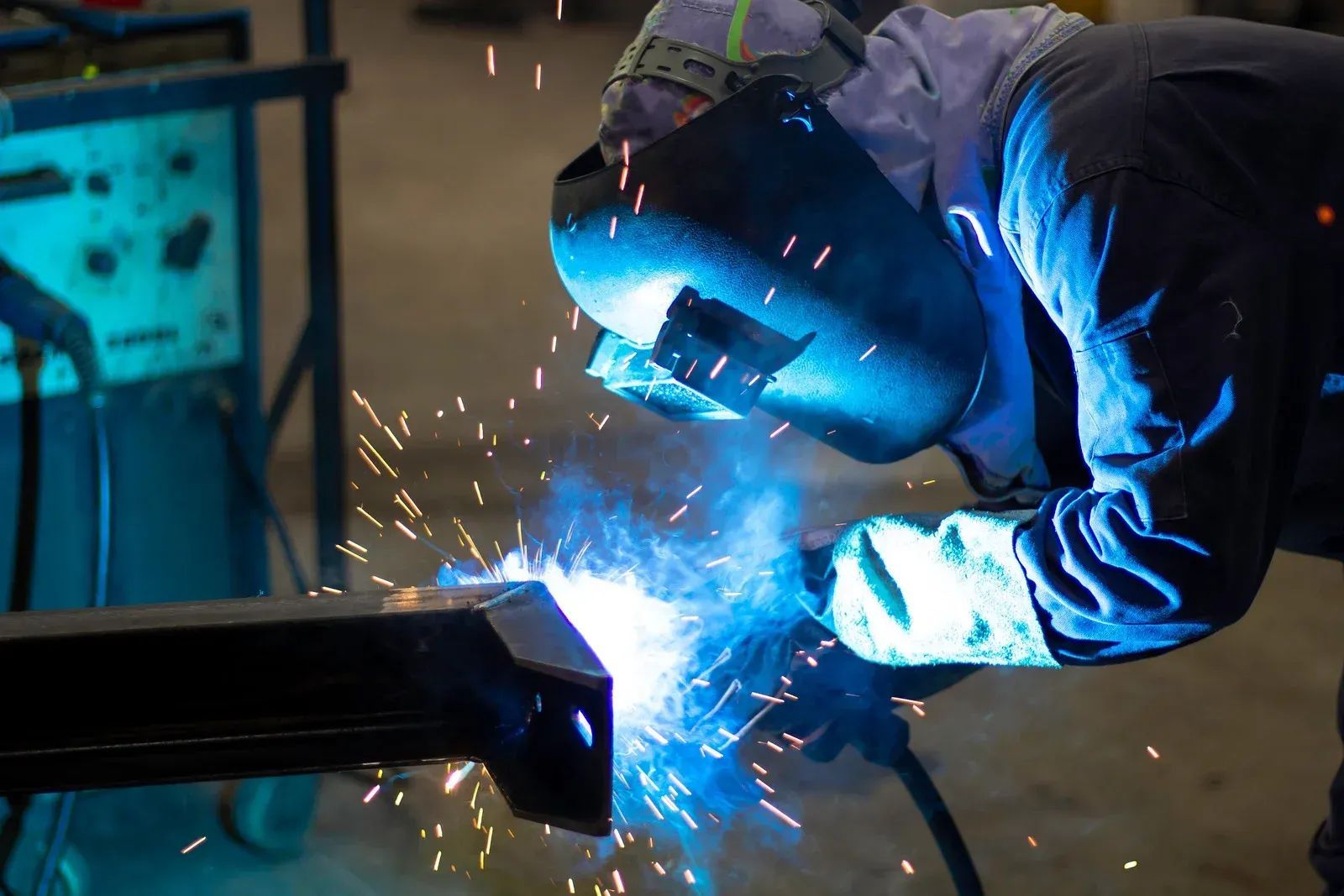
Traditional welding methods, such as MIG, TIG, and arc welding, rely heavily on the skill, experience, and judgment of the welder. Experienced fabricators can expertly manipulate heat, filler material, and angles to ensure strong, reliable joints that meet all structural requirements. Welding is particularly valuable for complex assemblies, specialized repairs, and custom designs where precision, adaptability, and attention to detail are absolutely essential.
Durability and Structural Integrity
Welding provides unmatched durability and long-term structural integrity for load-bearing structures. Metals joined through proper welding techniques can withstand high stress, vibrations, and challenging environmental factors over time. Industries such as aerospace, automotive, and construction continue to rely on skilled welding because it ensures structural performance that automated processes alone cannot fully replicate or guarantee.
Limitations and Challenges
Despite its many advantages, welding also has inherent limitations and constraints. Manual welding is often time-consuming, labor-intensive, and requires multiple passes and inspections to consistently meet strict quality standards. Human error, fatigue, and inconsistent skill levels can lead to defects, rework, or delays. Additionally, welding intricate patterns or highly complex components entirely by hand can be inefficient, highlighting the pressing need for complementary modern technologies.
2. The Emergence of CNC Cutting in Metal Fabrication
Precision and Accuracy at Scale
CNC cutting utilizes highly advanced computer-controlled machines to cut metal with exceptional precision and repeatability. Whether using laser, plasma, waterjet, or milling techniques, CNC systems can create intricate shapes and complex repetitive designs with remarkable consistency. This technology not only reduces material waste but also ensures that all components fit perfectly within assemblies, a critical factor in modern high-volume production environments.
Speed and Efficiency
CNC cutting dramatically accelerates production timelines and overall workflow efficiency. Whereas traditional cutting relies on manual measurement, marking, and skillful handling, CNC machines follow pre-programmed digital designs with minimal human intervention. This significant speed advantage allows fabricators to increase throughput substantially without compromising product quality, meeting the demands of high-volume projects or challenging, time-sensitive deadlines.
Flexibility in Design
Modern CNC systems enable designers, engineers, and fabricators to experiment with complex geometries, curves, and non-linear patterns that would otherwise be nearly impossible to achieve manually. From intricate artistic metalwork to precision mechanical components, CNC cutting provides the flexibility and adaptability needed to innovate, customize products, and meet highly specialized applications across multiple industries.
3. Integrating Welding and CNC Cutting: The Best of Both Worlds
Streamlined Workflow
Combining CNC cutting with traditional welding creates a highly efficient and streamlined workflow that leverages the unique strengths of both techniques. CNC machines handle precise, repeatable cutting tasks, while skilled welders perform critical joins, reinforcements, and finishing touches. This integrated approach minimizes errors, reduces production time, and maintains the rigorous quality standards necessary for critical, high-performance applications in demanding industries.
Case Study: Industrial Machinery Components
Consider a fabrication shop tasked with producing custom machinery frames for industrial equipment. CNC cutting allows the team to create exact metal panels, support brackets, and components with minimal tolerance deviation. Once cut, experienced welders assemble the components, ensuring structural integrity at all joints while adding reinforcements where needed. This combined approach significantly reduces rework, accelerates project delivery, and maintains the durability of traditional welding techniques.
Reducing Material Waste
CNC cutting optimizes material usage by nesting patterns strategically and calculating the most efficient cuts to minimize scrap. When combined with skilled welding, which can salvage, reuse, and repurpose smaller cut pieces, fabricators achieve both economic and environmental benefits. This integration ultimately reduces operational costs without sacrificing product quality, making fabrication processes more sustainable, competitive, and resource-efficient.
4. Advantages for Fabricators and Manufacturers
Enhanced Quality Control
Using CNC cutting in combination with traditional welding dramatically improves overall quality control in fabrication. CNC machines produce components with precise dimensions, while experienced welders ensure that structural connections meet all safety, performance, and durability standards. This dual approach effectively minimizes defects, maintains high consistency, and ensures exceptional quality across all production batches in diverse industrial applications.
Increased Innovation Potential
Fabricators gain the ability to innovate with greater complexity, intricate design possibilities, and advanced material combinations. CNC technology allows for precision cuts, curves, and unique patterns, while welding provides the adaptability to assemble, reinforce, and enhance these components. This synergy enables manufacturers to push creative and functional boundaries that would otherwise be highly impractical using either technique in isolation alone.
Meeting Industry Standards
Many industries require compliance with strict standards, such as ISO, ASME, or AWS certifications for fabrication and assembly. Combining CNC cutting with traditional welding allows fabricators to meet these specifications with efficiency and confidence. CNC ensures dimensional accuracy and repeatability, while welding guarantees joint strength, producing components and assemblies that comply with both technical and regulatory requirements consistently.
5. Challenges of Combining Traditional and Modern Techniques
Skill Gap and Training
Integrating CNC cutting with welding demands a highly skilled and versatile workforce. Not all welders are familiar with CNC workflows, and many CNC operators may lack an understanding of structural welding requirements. Investing in continuous training, cross-functional expertise, and skill development programs is essential to maximize efficiency, minimize errors, and maintain high quality throughout the production process.
Equipment and Investment Costs
The initial investment required for CNC machinery, software, and compatible equipment can be significant for fabrication shops. Small to medium-sized operations may face challenges balancing upfront costs with projected production volume and return on investment. However, long-term benefits, including reduced labor expenses, material savings, and faster project turnaround, typically justify these expenditures, creating a sustainable competitive advantage over time.
Coordination and Workflow Management
Successful integration of traditional welding with CNC cutting demands careful planning, collaboration, and workflow management. Fabricators must ensure CNC components are designed with welding constraints in mind, including access points, joint types, and material allowances. Poorly planned designs or miscommunication can lead to rework, inefficiencies, or delays, emphasizing the importance of close collaboration between engineers, designers, and welding specialists.
6. Best Practices for Maximizing Efficiency
Design for Fabrication
Engineers and designers should create CAD models that account for both CNC cutting precision and welding requirements simultaneously. This includes specifying tolerances, joint types, assembly sequences, and structural reinforcements upfront. Design for fabrication (DFF) not only reduces errors and streamlines assembly but also significantly improves overall productivity and cost-effectiveness throughout the fabrication process.
Invest in Skilled Workforce
Maintaining a workforce with dual expertise in both welding and CNC operations ensures that projects are executed efficiently and reliably. Continuous training programs, industry certifications, and hands-on workshops keep employees updated on evolving technologies, advanced techniques, and industry best practices, ensuring consistent quality and high-level performance in every project.
Optimize Material Usage
Combining CNC nesting strategies with welding expertise maximizes material yield and reduces scrap effectively. Reusing offcuts for smaller components, reinforcements, or secondary assemblies is an excellent way to improve cost efficiency, sustainability, and environmental responsibility while maintaining high product quality across all projects.
Regular Maintenance and Calibration
Both CNC machinery and welding equipment require routine maintenance, careful inspection, and periodic calibration to ensure accuracy, performance, and reliability. Scheduled maintenance programs, software updates, and proper equipment care prevent unexpected downtime, maintain dimensional consistency, and preserve overall product quality across multiple production runs over time.
Reliable Metal Fabrication Solutions from Experienced Professionals
The integration of traditional welding and modern CNC cutting represents a paradigm shift in metal fabrication. By combining human expertise with technological precision, fabricators achieve greater efficiency, higher quality, and enhanced innovation potential. CNC cutting provides accuracy, repeatability, and speed, while welding ensures structural integrity and adaptability in assembly. Together, they address the evolving demands of industries such as automotive, aerospace, construction, and industrial manufacturing.
For companies looking to stay competitive, embracing this hybrid approach is no longer optional—it is essential. Successful integration requires investment in skilled personnel, thoughtful design, and proper workflow management, but the results include reduced waste, faster production cycles, and improved product consistency.
At Associated Metal Works, based in North Carolina, our 40+ years of experience in metal fabrication uniquely position us to deliver unmatched quality. By combining traditional welding techniques with advanced CNC cutting, we provide custom solutions that meet both aesthetic and structural requirements. Our commitment to precision, efficiency, and innovation ensures that every project—from industrial assemblies to intricate custom designs—is executed with excellence, making us a trusted partner for businesses across the region.